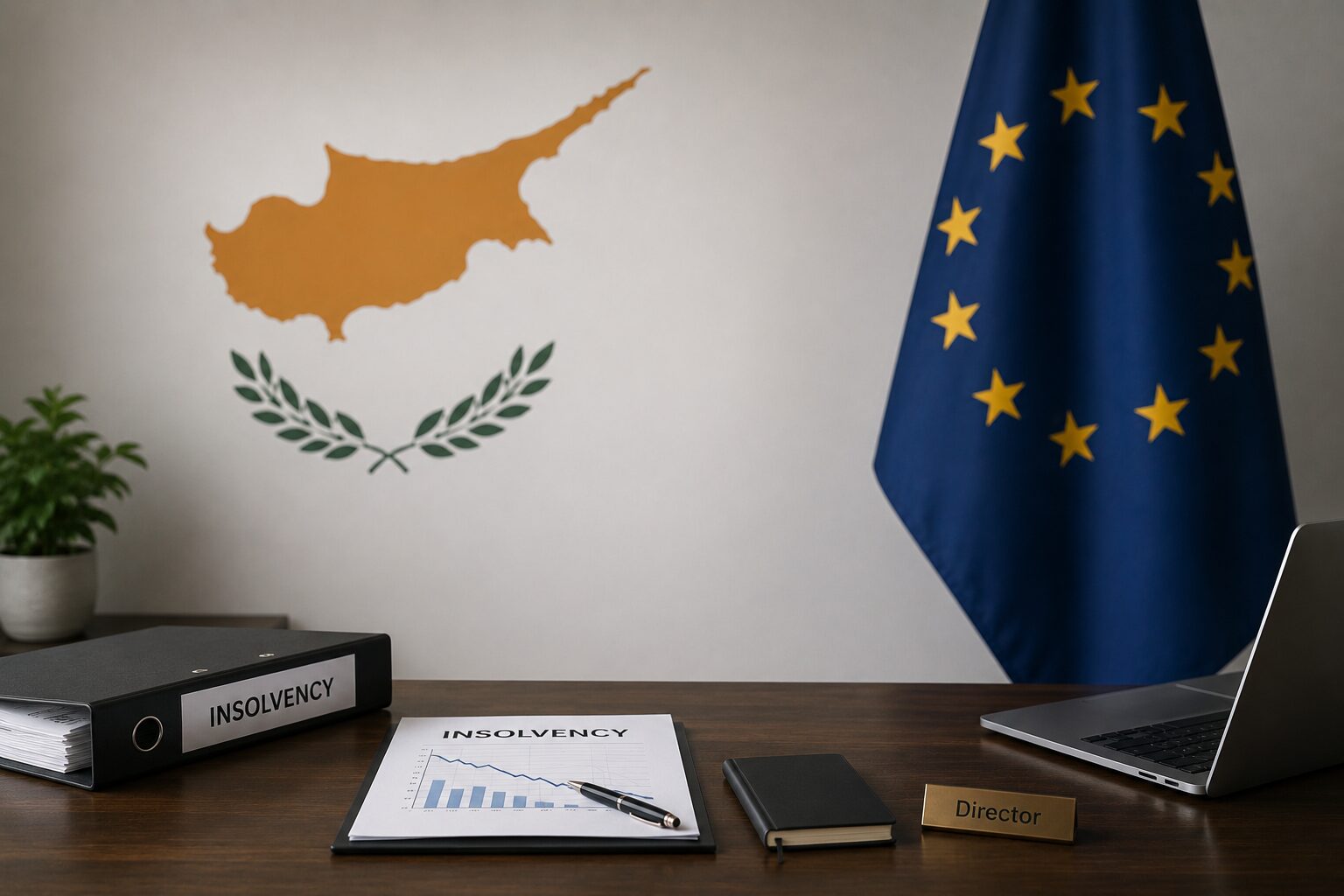


On 10th March 2026 the European Parliament approved a provisional agreement on the Directive harmonising certain aspects of insolvency law.
The Directive introduces harmonisation rules in targeted areas where differences between national laws currently create uncertainty for investors and creditors.
Key Elements of the Directive
Harmonised Avoidance Actions
One of the core elements of the directive is the introduction of harmonised rules governing avoidance actions. These rules are to allow insolvency practitioners to challenge transactions made by a debtor prior to insolvency that unfairly prejudice creditors.
The directive aims to standardise the circumstances in which certain transactions may be reversed, including preferential payments to particular creditors, transactions at undervalue and transactions intended to harm the collective interests of creditors.
Improved Access to Asset Information
Insolvency practitioners will be able to access certain national registers containing information on assets and ownership structures, such as beneficial ownership registers, bank account registers and property and company databases, which should make it easier to trace assets in cross border cases.
Pre-Pack Insolvency Sales
The directive introduces a framework for pre-pack sales. These procedures allow the sale of a distressed business or its assets to be negotiated prior to the formal commencement of insolvency proceedings and executed shortly thereafter.
The objective is to preserve business value, maintain operations where possible and maximise returns for creditors while ensuring transparency.
Directors’ Duty to File for Insolvency
The directive also introduces a harmonised duty, requiring directors to file for insolvency within a specified time limit, that shall be no longer than three months of becoming aware of insolvency, unless alternative measures are taken that adequately protect creditors. This provision aims to discourage delayed filings that could worsen creditor losses.
To ensure directors do not act against the interests of creditors by delaying the opening of insolvency proceedings, provisions are to be introduced for directors to have civil liability and to compensate creditors for losses caused due to the director’s delay.
Stronger Role for Creditors’ Committees
The directive encourages the use of creditors’ committees in insolvency proceedings. These committees represent creditor interests collectively and will need to be granted sufficient rights to perform their functions efficiently and effectively, including the right to request information from insolvency practitioners and request external advice on matters on which creditors have an interest, with clear rules as to who shall bear the related expenses.
Implementation Timeline and conclusion
The Directive harmonising certain aspects of insolvency law represents a significant step toward greater convergence in European insolvency frameworks. Member States will be given a period of just under 3 years from when the Directive comes into force for it to be transposed into national law.
Andri is on the list of approved Insolvency Practitioners of the DIFC and ADGM. She is a solicitor, Member of the Law Society of England and Wales and a Licensed Insolvency Practitioner in Cyprus.